

Get Free Consultation!
We are ready to answer right now! Sign up for a free consultation.
I consent to the processing of personal data and agree with the user agreement and privacy policy
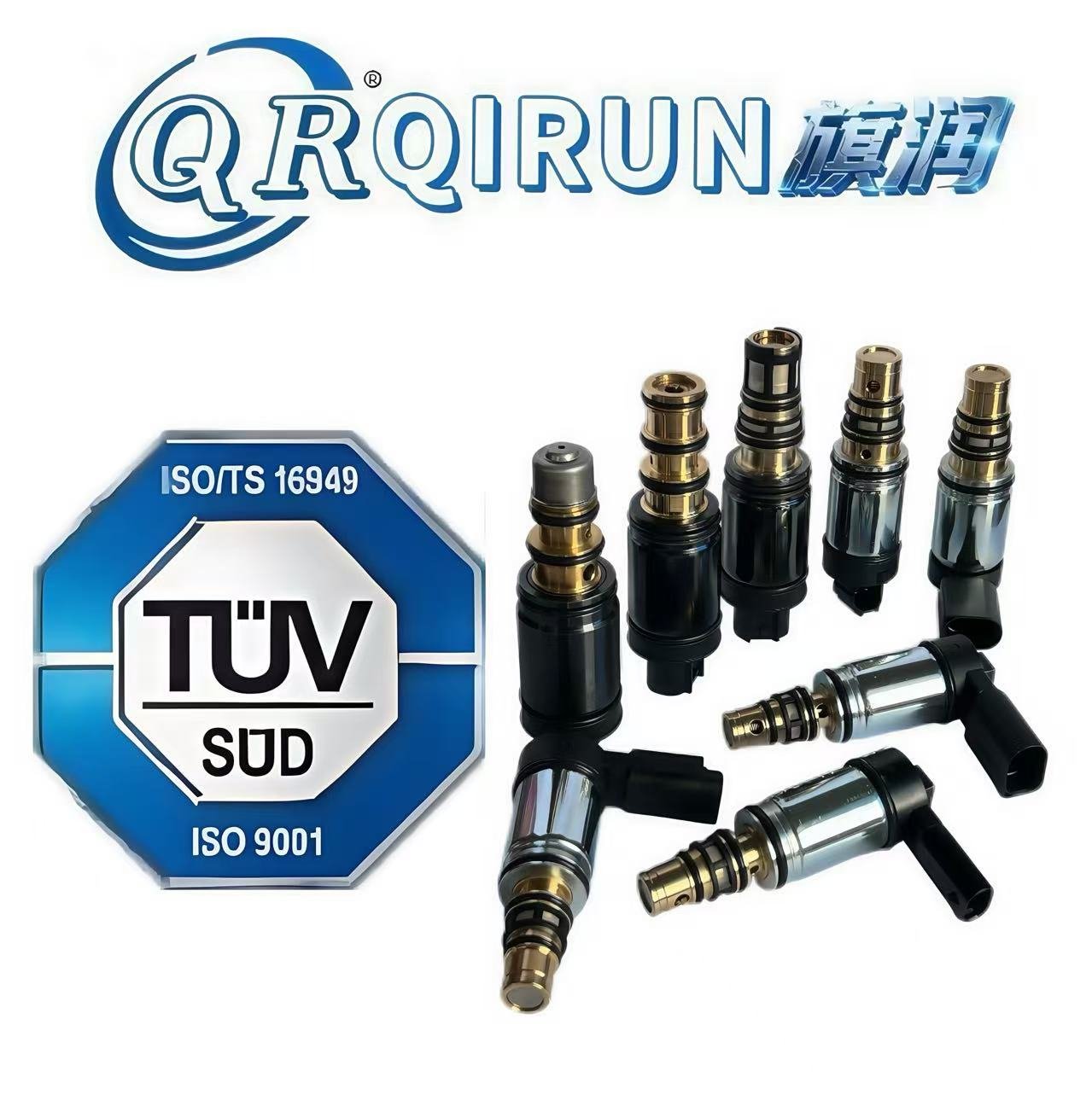
A compressor control valve is a crucial component used in industrial compressors to regulate the flow of refrigerants, air, or other gases. The valve modulates the discharge pressure of the compressor, adjusting the volume of gas entering or exiting the system, which in turn controls the compressor’s capacity. By maintaining optimal operating conditions, these valves ensure energy efficiency and prevent overloading, enhancing the overall lifespan of the compressor.
The control valve adjusts the compressor’s operation based on load demand and system conditions, responding dynamically to fluctuations in pressure, temperature, and system performance. It essentially acts as a gatekeeper for air or refrigerant flow, ensuring the compressor does not overwork or underperform.
One of the primary functions of a compressor control valve is pressure regulation. Compressors operate under specific pressure conditions to ensure efficient functioning. If the system is subjected to too much pressure, it can lead to energy inefficiency or, in the worst case, a mechanical failure. The valve maintains the right pressure by adjusting the airflow, ensuring the compressor does not exceed preset limits.
In variable load applications, the compressor control valve adjusts the capacity based on the load demand. For instance, when demand is high, the valve allows for more refrigerant or air to pass through, increasing the compressor’s output. Conversely, when demand drops, the valve limits the flow to prevent energy wastage and unnecessary wear on the compressor.
Control valves also help in managing the temperature of the compressor system. Since the compressor works under high pressure, it generates heat, which, if left unchecked, can damage sensitive parts of the system. The control valve adjusts the flow of refrigerant or air to ensure that the compressor does not overheat, thus maintaining safe operating temperatures.
There are several types of compressor control valves, each designed for specific applications and system requirements. The most common types include:
Compressor control valves are integral to ensuring that compressors work only as hard as necessary. By adjusting the flow based on demand, they help reduce energy consumption. In a world where energy efficiency is crucial for both economic and environmental reasons, compressor control valves play a vital role in reducing operational costs.
Overworking a compressor can lead to premature wear and tear. Compressor control valves help prevent this by optimizing the compressor’s workload, which in turn extends the lifespan of the system.
A well-regulated compressor system runs more smoothly, with fewer interruptions and less wear. The compressor control valve ensures that the system operates within ideal parameters, maximizing performance while minimizing downtime and maintenance costs.
The safety of compressor systems is another area where control valves are indispensable. They help maintain proper pressure levels and prevent the compressor from operating under unsafe conditions. This is crucial not just for the equipment itself but for the safety of personnel working with or around the compressor.
If a compressor control valve is leaking, it can lead to inefficient operation, increased energy consumption, and potential system damage. Regular maintenance checks can help spot leaks early, and replacing worn-out seals or gaskets can often resolve the issue.
If the valve is not regulating pressure consistently, it may indicate a malfunctioning actuator or a buildup of debris within the valve. In this case, cleaning or servicing the valve may restore proper function.
A valve that is too large or too small for the system can cause problems. An undersized valve might restrict airflow, while an oversized valve may not provide adequate control. Properly sizing the valve is crucial for maintaining optimal performance.
Over time, exposure to moisture, chemicals, or high temperatures can cause corrosion and wear on the valve components. Regular inspections and proper material selection can help prevent such issues.
In conclusion, the compressor control valve is a small but mighty component that significantly impacts the efficiency, safety, and longevity of compressor systems. Its ability to regulate pressure, control capacity, and manage temperature ensures that compressors operate smoothly and effectively. Whether you’re managing a large industrial facility or simply curious about how compressors work, understanding the function of the compressor control valve is essential to getting the most out of your system.
Investing in regular maintenance and paying attention to valve performance can go a long way in extending the life of your compressor and keeping operational costs down. With the right control valve in place, you’ll be able to optimize your compressor’s performance, save energy, and ensure a safer, more reliable operation for years to come.