

Get Free Consultation!
We are ready to answer right now! Sign up for a free consultation.
I consent to the processing of personal data and agree with the user agreement and privacy policy
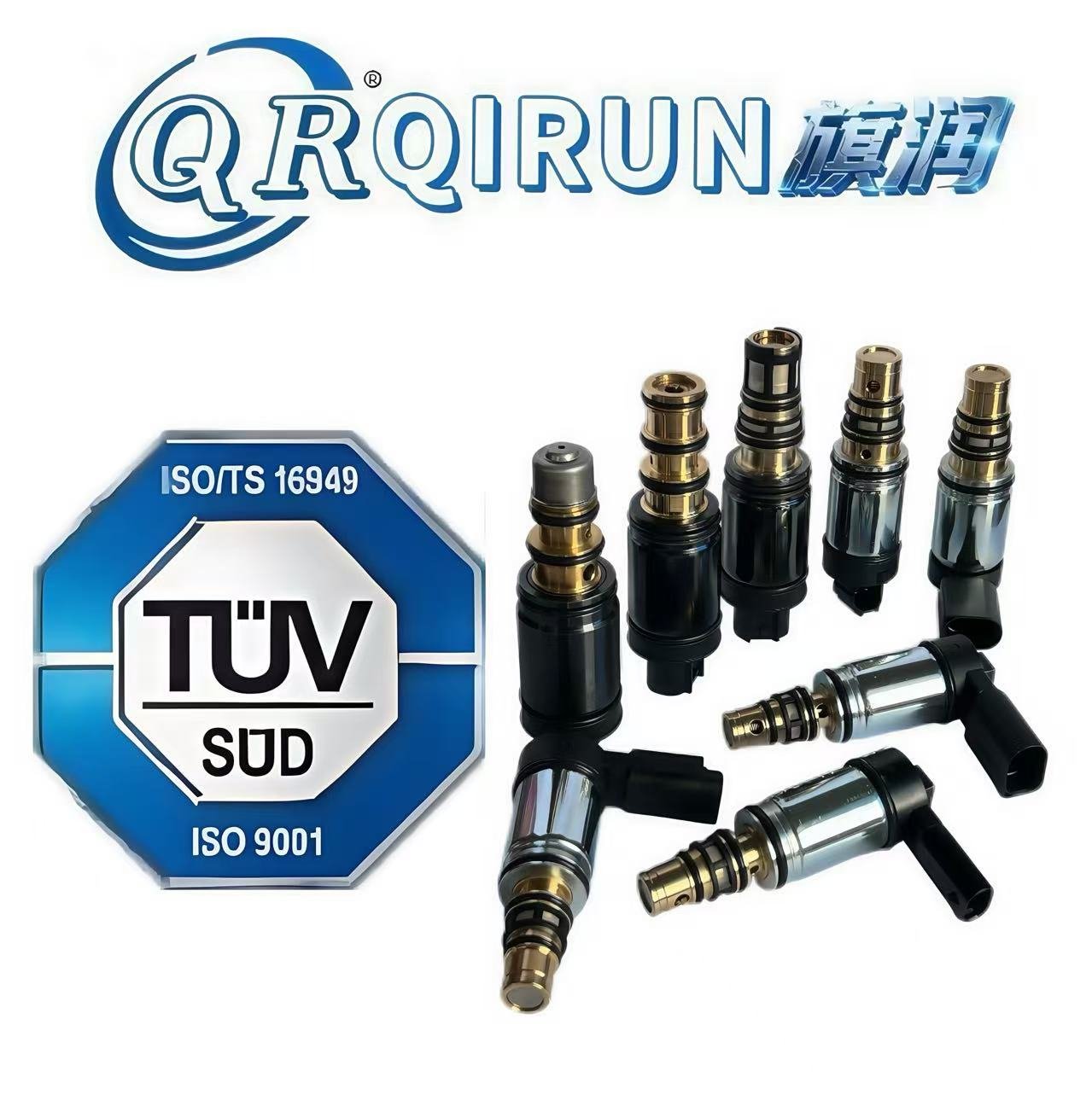
The A/C compressor control valve is a vital component in your vehicle or home air conditioning system, responsible for regulating refrigerant flow and pressure. It plays a crucial role in maintaining optimal performance and energy efficiency. If your air conditioning system is malfunctioning or not cooling properly, the issue could lie with the compressor control valve. To diagnose such issues, you’ll need to test the valve to determine if it’s functioning correctly.
In this comprehensive guide, we will show you how to test the A/C compressor control valve effectively. We’ll walk you through the necessary tools, the testing process, and common symptoms of valve failure to help you troubleshoot your air conditioning system and avoid costly repairs.
Testing the A/C compressor control valve is crucial for several reasons. As one of the core components of an air conditioning system, the valve regulates the flow of refrigerant to the compressor, preventing overheating and ensuring that the system operates efficiently. A malfunctioning valve can result in issues such as:
Testing the valve ensures that your A/C system is operating as it should, helping you maintain its efficiency and extend its lifespan.
Before testing the A/C compressor control valve, it’s important to identify signs of failure. Common symptoms include:
If you notice any of these symptoms, it’s a good idea to test the A/C compressor control valve to confirm the issue.
Testing the A/C compressor control valve requires a few essential tools. These include:
Make sure you have all the necessary tools on hand before beginning the test to avoid interruptions during the process.
Now that you’re familiar with the importance of the A/C compressor control valve and have gathered your tools, let’s walk through the process of testing the valve.
Before diving into testing, begin by visually inspecting the A/C system. Look for obvious signs of damage, leaks, or wear around the compressor control valve. Ensure the wiring and connections are intact if the valve is electronically controlled. Any visible damage or corrosion may indicate the need for immediate replacement.
The first technical test involves measuring the refrigerant pressure. Connect your pressure gauges to the A/C system’s low and high sides according to the manufacturer’s instructions. A healthy system should show balanced pressure on both sides when the compressor is running.
If the valve is working properly, the low side pressure should be consistent with the system’s operating conditions, while the high side pressure should adjust in response to refrigerant flow. If the pressures are imbalanced or too high or low, it may indicate an issue with the control valve.
If your A/C compressor control valve is electrically operated, use a multimeter to check for proper voltage. Disconnect the power supply to the valve and set the multimeter to measure DC voltage. Check the voltage at the control valve’s electrical connector.
The voltage should match the specifications listed in the service manual. If the voltage is out of range, it could mean the valve is malfunctioning or the electrical connections are faulty.
Sometimes, issues with the control valve are physical rather than electrical or pressure-related. Inspect the valve for any signs of damage, such as cracks, rust, or buildup. A clogged or damaged valve may prevent it from opening or closing properly, leading to irregular refrigerant flow.
Once you’ve completed the initial tests, run the air conditioning system and monitor its performance. The valve should respond to changes in the system’s demand for cooling. If the valve is stuck open or closed, the system will likely produce inconsistent cooling, as it won’t be able to properly regulate refrigerant flow.
Pay attention to the compressor’s cycling. It should start and stop smoothly without excessive on/off cycling. If the compressor is constantly switching on and off, the control valve may not be allowing proper refrigerant flow.
If your tests indicate a problem with the A/C compressor control valve, the next step is to decide whether to repair or replace it. In many cases, the valve may need to be replaced entirely, especially if it shows physical damage or internal wear. However, if the issue is electrical, it may be repairable with proper wiring or component replacement.
Testing the A/C compressor control valve can be tricky, and certain mistakes can lead to inaccurate conclusions or even further damage. Here are some common mistakes to avoid:
Testing the A/C compressor control valve is an essential part of diagnosing and maintaining your air conditioning system. By following the steps outlined in this guide, you can determine if the valve is functioning properly and ensure your system runs efficiently. Regular testing and maintenance can save you from costly repairs and help you avoid unnecessary energy consumption.
Remember, if you’re unsure about performing the tests yourself, or if you encounter any issues during the testing process, it’s always best to consult a professional HVAC technician who can perform a thorough inspection and make the necessary repairs.
Stay cool, and keep your A/C system running smoothly!