

Get Free Consultation!
We are ready to answer right now! Sign up for a free consultation.
I consent to the processing of personal data and agree with the user agreement and privacy policy
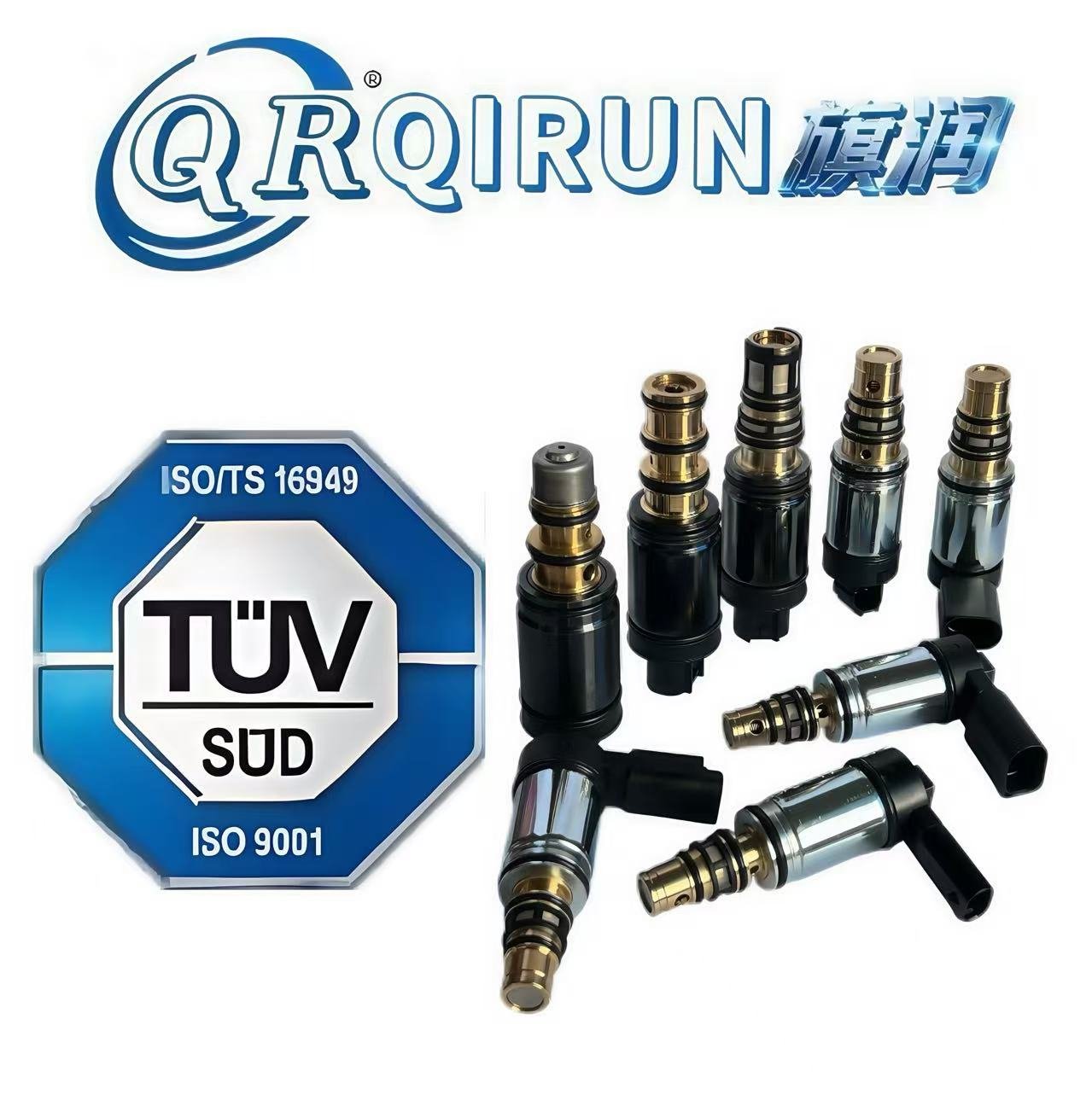
The A/C compressor control valve is one of the key components that ensures your air conditioning system operates efficiently. If you’re experiencing poor cooling performance, excessive compressor cycling, or unusual system noises, the problem may lie with this control valve. Testing the A/C compressor control valve is an essential troubleshooting step to identify the cause of the issue and avoid expensive repairs.
In this guide, we’ll explain everything you need to know about testing the A/C compressor control valve, including how to do it, what tools you’ll need, and what common symptoms indicate a malfunctioning valve.
The A/C compressor control valve plays a critical role in regulating the flow of refrigerant within the air conditioning system. If the valve is not working correctly, it can lead to a variety of performance issues such as:
Testing the A/C compressor control valve allows you to diagnose these problems early and address them before they cause further damage.
Before diving into testing, it’s essential to identify symptoms that could indicate an issue with the A/C compressor control valve. Common signs include:
If you notice any of these signs, it’s time to test the A/C compressor control valve to determine if it’s the source of the problem.
Before testing the A/C compressor control valve, make sure you have the following tools ready:
Having these tools on hand will ensure you can perform a complete and accurate test of the control valve.
Here is a step-by-step guide on how to test the A/C compressor control valve effectively:
Start with a thorough visual inspection of the A/C system. Look for obvious signs of damage or leaks around the compressor control valve. Also, check for loose or damaged wiring if the valve is electronically controlled. Inspecting the valve visually can give you a clue about its condition before proceeding with further tests.
Use your pressure gauges to measure the refrigerant pressure at both the low and high sides of the system. The pressure readings should match the specifications provided in your A/C system’s service manual. If the pressures are too high or low, it could indicate a problem with the control valve, which may be restricting refrigerant flow.
If the compressor control valve is electrically operated, you need to test the electrical components. Use a multimeter to check the voltage at the valve’s electrical connections. Set the multimeter to measure DC voltage and verify that the voltage matches the specifications outlined in your service manual. If the voltage is outside the expected range, it could point to a wiring issue or a faulty control valve.
If you suspect that the valve may be clogged, remove it and inspect it for physical damage or obstructions. A clogged valve can restrict refrigerant flow and lead to poor system performance. If you find any dirt or debris inside the valve, clean it out or replace it if necessary.
Once you’ve tested the valve’s pressure and electrical components, run the A/C system and monitor its performance. The compressor should cycle normally, and the system should maintain consistent cooling. If the compressor is cycling too frequently or the cooling performance is still poor, the control valve may still be the issue, and it may need replacement.
If the control valve is malfunctioning, the next step is to either repair or replace it. If you find significant damage, clogging, or if the valve is not responding to electrical or pressure changes, it may be time to replace the control valve entirely. Ensure that the replacement valve matches the specifications of your system to avoid further issues.
While testing the A/C compressor control valve, there are several common mistakes to avoid:
Taking your time and following each step carefully will help you achieve accurate results and ensure that your A/C system is functioning optimally.
Testing the A/C compressor control valve is an important step in diagnosing air conditioning issues. By following this guide, you can determine if the valve is malfunctioning and affecting your system’s performance. Proper testing can save you time and money by identifying problems early and preventing further damage to the compressor and other components.
If you’re not comfortable performing these tests yourself, or if you encounter any issues that are beyond your expertise, it’s always a good idea to contact a professional HVAC technician to handle the repairs.
Keep your A/C system in top shape, stay cool, and enjoy optimal comfort all year round!