

Get Free Consultation!
We are ready to answer right now! Sign up for a free consultation.
I consent to the processing of personal data and agree with the user agreement and privacy policy
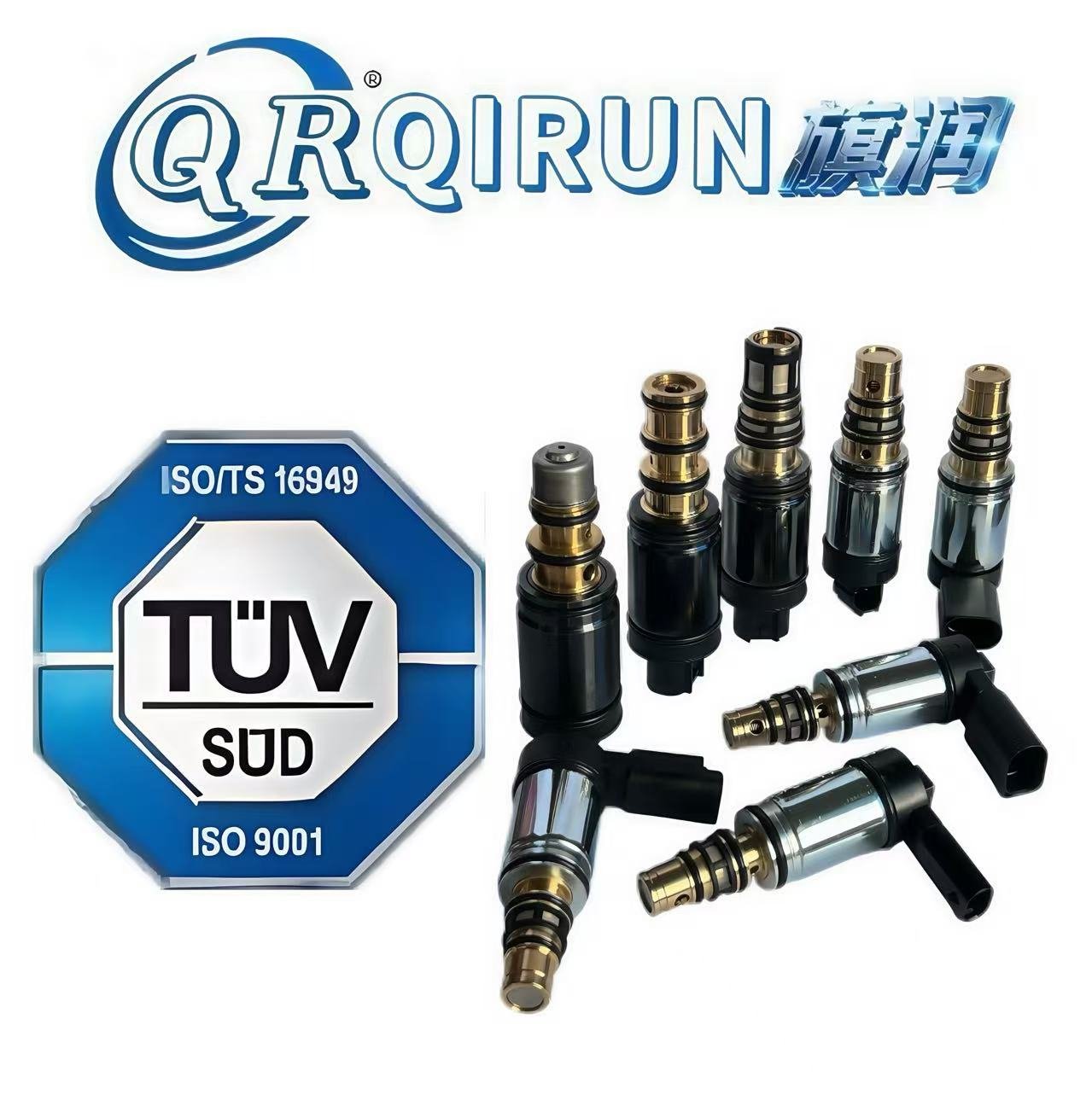
The A/C compressor control valve plays a pivotal role in the efficient operation of your air conditioning system, regulating refrigerant flow and pressure to ensure optimal cooling. When this vital component begins to fail, it can lead to a host of issues that can impact the performance and longevity of your system.
In this guide, we will cover the common symptoms of a bad A/C compressor control valve. Identifying these symptoms early can help you prevent further damage, avoid costly repairs, and ensure your A/C system remains in good working order throughout the year.
Before diving into the symptoms of a malfunctioning control valve, it’s essential to understand its role in the air conditioning system. The A/C compressor control valve regulates the flow and pressure of refrigerant between the compressor and other components of the A/C system. It ensures that the right amount of refrigerant flows through the system to maintain proper cooling and efficiency.
If the control valve becomes faulty, it can lead to uneven refrigerant flow, which impacts the entire cooling process, resulting in various system performance issues.
If your air conditioning system is experiencing issues, the compressor control valve could be the culprit. Here are the most common symptoms of a malfunctioning valve:
One of the most noticeable signs of a bad A/C compressor control valve is inconsistent or poor cooling. If the valve is stuck open or closed, the refrigerant flow may not be regulated properly, causing the A/C system to fail at cooling the air effectively. This may result in uneven cooling or complete failure to cool your space or vehicle.
Inconsistent cooling can also manifest as hot and cold spots in your home or car, where some areas may feel comfortable while others remain uncomfortably warm.
If the compressor control valve is malfunctioning, the system may have to work harder to maintain the desired temperature. As a result, the compressor will cycle more frequently and run for longer periods. This not only strains the A/C system but also leads to higher energy consumption, driving up your electricity or fuel costs.
Increased energy consumption is a sign that the valve may be causing inefficient refrigerant flow, forcing the compressor to work harder than it should.
Short-cycling occurs when the compressor turns on and off repeatedly without completing a full cycle. This can be caused by a faulty compressor control valve that’s unable to regulate refrigerant flow properly. The valve may cause refrigerant pressure to fluctuate too quickly, prompting the compressor to shut off prematurely.
Not only does short-cycling reduce the cooling efficiency of the system, but it also places excessive wear and tear on the compressor, leading to potential damage and more expensive repairs down the line.
If the A/C compressor control valve is malfunctioning, it can lead to abnormal pressures within the system. This imbalance in pressure may result in strange noises such as hissing, buzzing, or whining coming from the compressor area. These sounds indicate that the valve is not regulating refrigerant flow correctly and could be clogged or damaged.
Unusual noises are a clear warning sign that something is wrong with your A/C system and requires immediate attention.
A bad compressor control valve can also cause refrigerant leaks. The valve is responsible for maintaining appropriate pressure within the system, and if it fails, it can create weak spots in the system where refrigerant may leak. If you notice a decrease in cooling performance, a pool of oily residue near the compressor, or low refrigerant levels, a leaking valve may be the cause.
Refrigerant leaks can severely affect the cooling efficiency of the system and may also damage other components of your A/C unit.
If the A/C compressor control valve is faulty, it can prevent proper refrigerant flow, which can cause the compressor to overheat. An overheating compressor is a serious issue, as it can lead to complete compressor failure if left unchecked. If your compressor feels unusually hot to the touch, it’s a sign that the control valve may not be regulating refrigerant flow properly, causing the compressor to overwork and overheat.
A malfunctioning A/C compressor control valve will cause irregular refrigerant pressure in the system. If you measure the pressure on the low and high sides of the system using pressure gauges, you may notice abnormal readings. High-side pressure may be too high or too low, and the low-side pressure may fluctuate drastically. These issues can indicate that the control valve is failing to regulate the refrigerant pressure correctly.
It’s essential to check the system’s pressure regularly as part of your A/C maintenance to detect problems like this early.
Diagnosing a faulty compressor control valve typically involves performing a few key tests to check refrigerant pressures, electrical components, and the overall performance of the A/C system:
If you notice any of the above symptoms or suspect that the control valve is malfunctioning, it’s a good idea to test the valve or consult a professional technician for further diagnosis.
The A/C compressor control valve plays a crucial role in regulating refrigerant flow and maintaining system efficiency. If the valve begins to fail, it can lead to a range of symptoms that affect both the cooling performance and the overall longevity of the air conditioning system. Common signs of a bad A/C compressor control valve include poor cooling, increased energy consumption, compressor short-cycling, strange noises, refrigerant leaks, overheating, and abnormal pressure readings.
If you notice any of these symptoms, it’s important to address the issue promptly to avoid further damage to your A/C system. Whether you decide to test the control valve yourself or seek professional help, addressing valve issues early can save you time, money, and frustration in the long run.
Regular maintenance and early detection are key to keeping your air conditioning system running smoothly and efficiently.